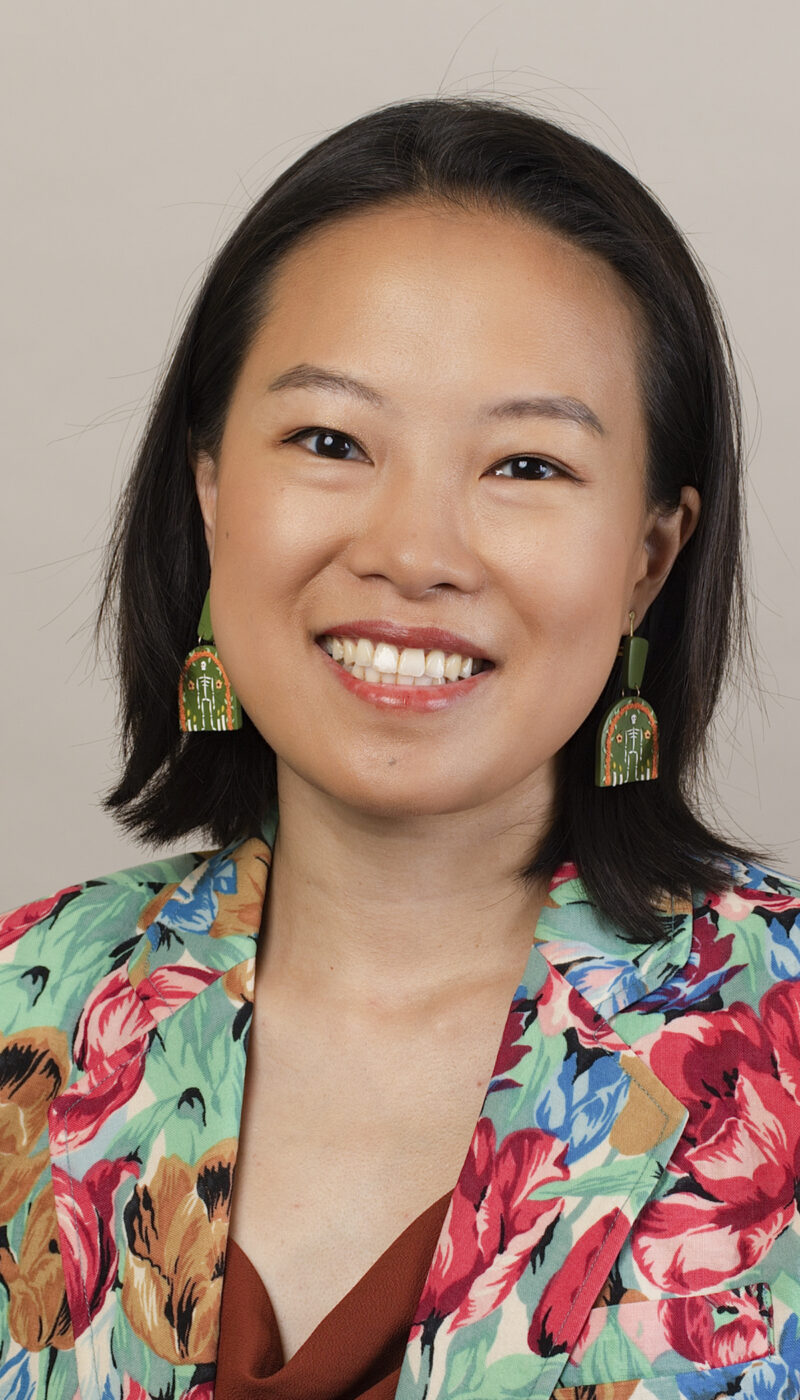
Dr. Tang comes to PSR from the University of Notre Dame, where she has completed the requirements for the Ph.D. in Peace Studies and Theology (Systematic Theology). She also holds a Master of Theological Studies from Harvard University in Religion, Literature, and Culture, and a Bachelor of Arts, summa cum laude, in Political Science and Theology from Notre Dame.
A scholar working at the intersections of decolonial feminist theology, ecological thought, and peace studies, Dr. Tang brings a deeply integrative approach to theological education. Her research attends to the racialized dimensions of global land injustice and ecological crises, the role of theology in peacebuilding, and the ways feminist and constructive theological frameworks can contribute to healing displaced communities and environments. She comes to PSR with significant teaching experience across interdisciplinary contexts and an active and promising publication agenda. Her networks and faith formation expand across various traditions, with roots in Chinese and U.S.-American evangelical communities and finding her home in queer and progressive Catholic communities. Reflecting on her vocation, Dr. Tang writes: “As a scholar-teacher of peace studies and theology, I understand my vocation as a theological educator to be precisely this: to facilitate the healing of the many fragmented wounds in the classroom, outside the classroom, in the church, and in the communities we serve.”
Born in Beijing, China and raised in the U.S. Midwest, Dr. Tang enjoys spending her free time growing vegetables and native plants, cooking for her community, hosting board game nights, and crafting embroidery art pieces. An avid hiker and camper, she is excited to explore the mountains and woods of Northern California during her time at PSR. She looks forward to moving to Berkeley with her wife Victoria, a scholar of Filipino American decolonial theology and art, and their cat Phoenix.
Dr. Tang’s work resonates deeply with PSR’s commitments to justice, collaboration, and the formation of leaders equipped to serve in a complex and changing world. Her presence will enrich our engagement with feminist and ecological theologies and strengthen our shared work of cultivating communities of learning and transformation.