
Theological Study for Faithful Leadership
Who We Are:
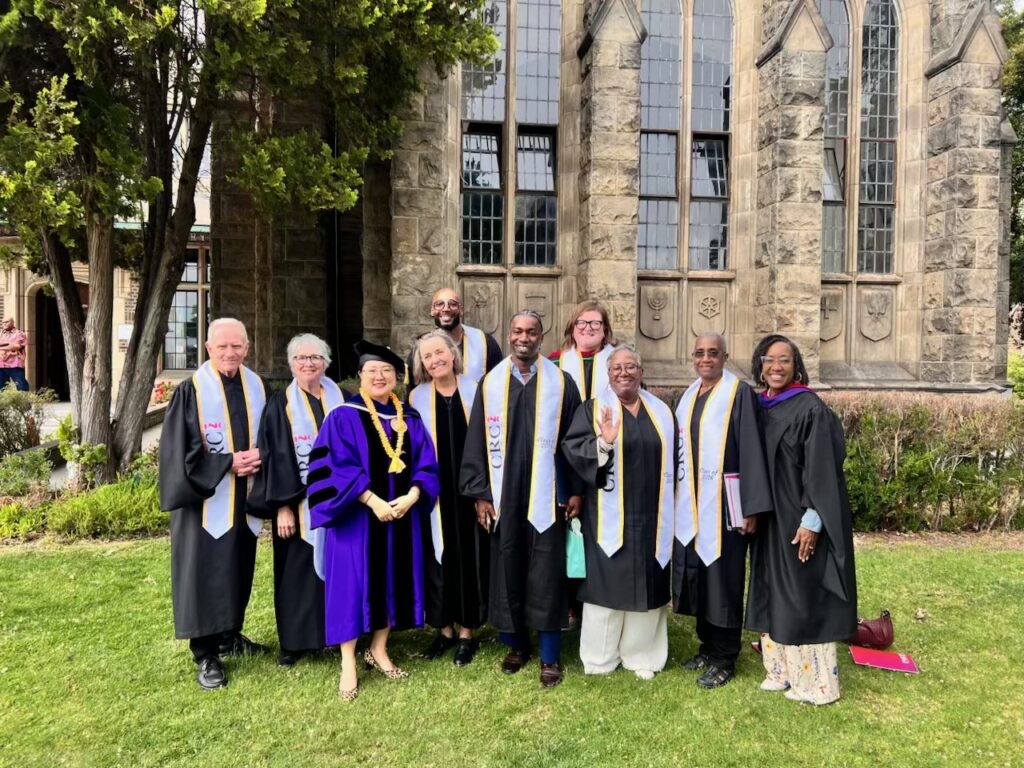
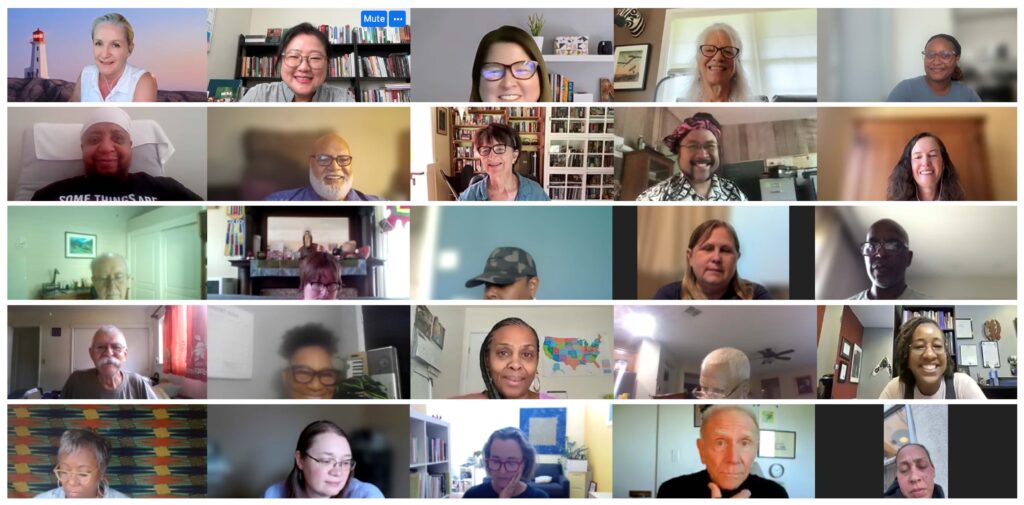
TEL programs provide progressive, accessible Christian theological education year-round through special courses and seminars for clergy, laity, and spiritual seekers from diverse racial/ethnic communities. TEL fosters a strong and supportive community environment while enabling participation at a distance through online learning.
What We Offer:
All of TEL’s offerings are multicultural and intersectional in design and focus, and are structured to allow students to be engaged at the level that works for them. A carefully selected curriculum of online experiences can be engaged individually or combined as part of a certificate program. While rich in context and perspective and taught by instructors with years of academic and leadership experience, these offerings do not require graduate-level engagement.


Program at a Glance
| Program Length | 9 months (aligned with holidays & commencement) |
| Cohort Size for CRC | 2-5 congregants per church |
| Curriculum | 9 courses (plus Renewal Project for CRC) |
| Pathways | Congregational Renewal OR Ministry Leadership |
| Format | Each course runs for 4 weeks. With both asynchronous learning components and synchronous sessions 3 Saturdays on Zoom, 2 hours per session |
| Time commitment | 12-15 hours per month |
| Credential | TEL Certificate + 3 PSR academic credits |
| Scholarships | Available upon request for each pathway |
| Tuition | $2,000 per person, for the entire pathway (9 courses) $249.99 per each course |
TEL Learning Pathways
Congregational Renewal Certificate (CRC):
9-month cohort-based program for congregational transformation
Ministry Leadership Track (MLT):
9-month individual-based for congregational transformation
Stacking micro-certificates
You can also take each course in a 3-year span and stack them toward a certificate
Pathways
Congregational Renewal Cohorts
For congregational transformation
Faith in Action
- Spiritual Formation
- Design Thinking
- Intro to Christian Ethics
Wisdom & Witness
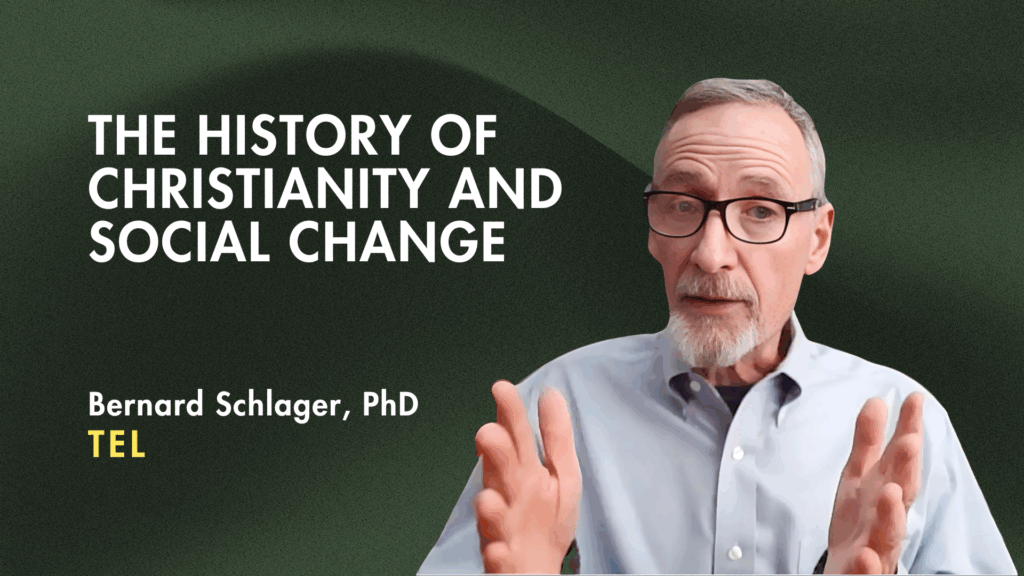
- History of Christianity and Social Change
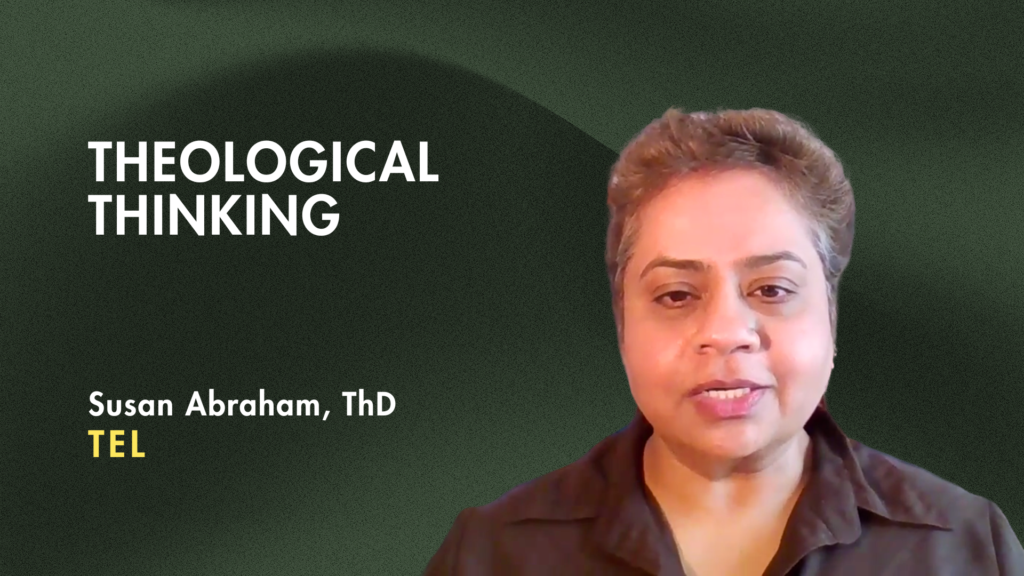
- Theological Thinking
- Rhetorical Use of Text
Innovation & Impact
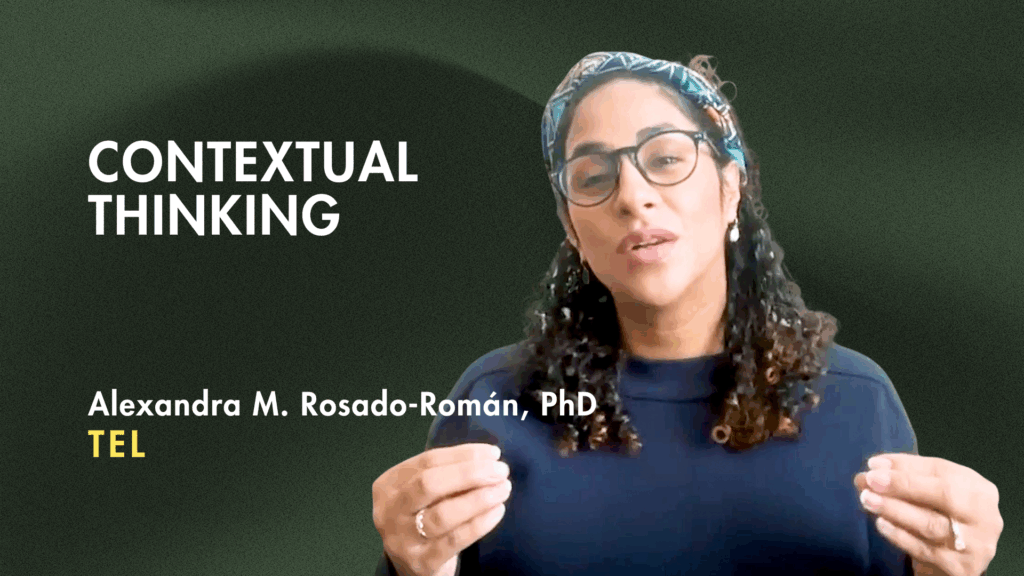
- Contextual Thinking
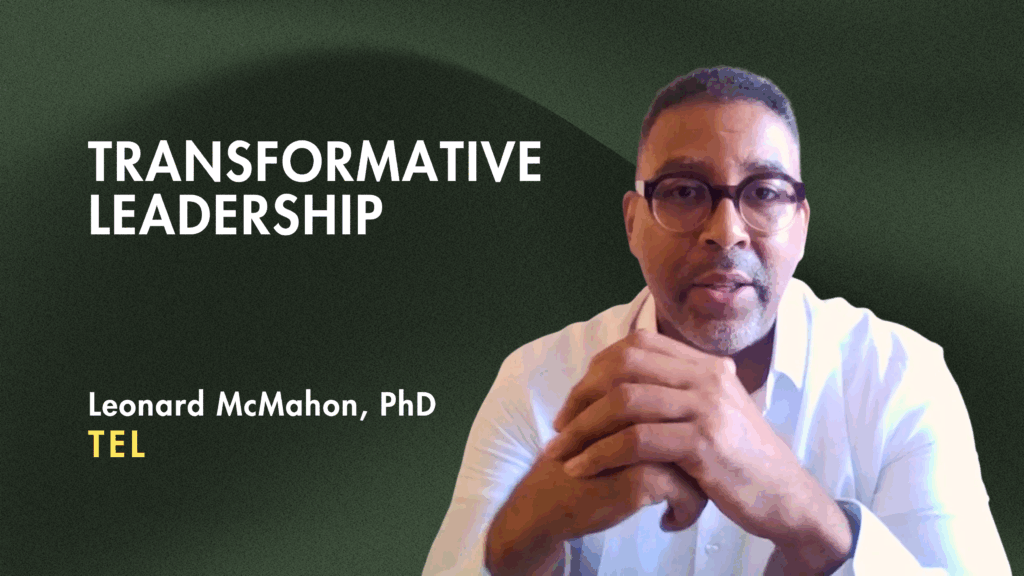
- Transformative Leadership
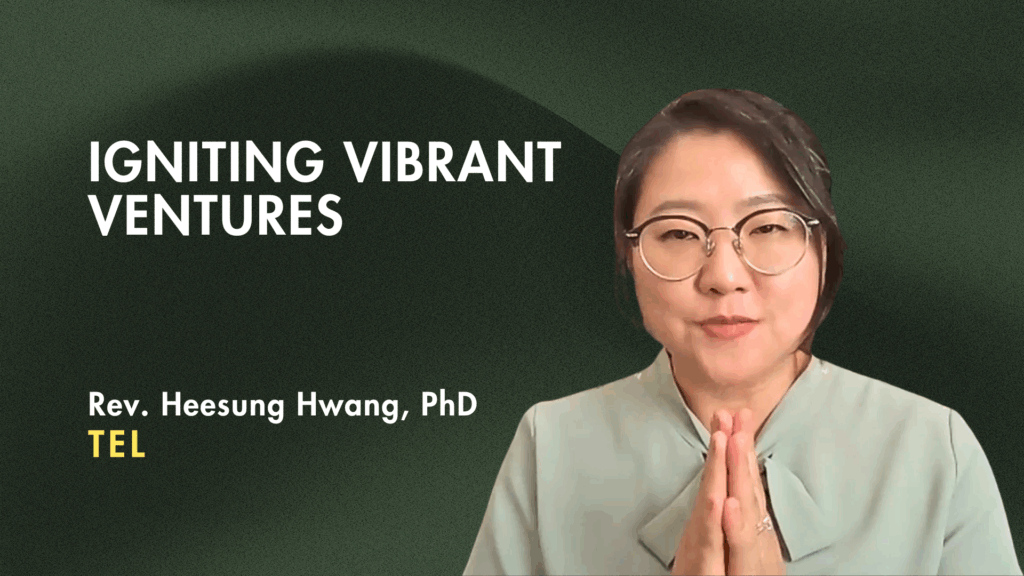
- Igniting Vibrant Ventures
Renewal Project
Your Congregation’s Renewal Project
Each CRC team designs and implements a real-world renewal initiative tailored to their context, such as:
- Community engagement
- Worship renewal
- Mental health and spiritual well-being
- Justice-focused ministry
- Cultural and political bridge-building
Ministry Leadership Track
For those pursuing ministry preparation
Faith in Action & Leadership
- Spiritual Formation
- Transformative Leadership
- Intro to Christian Ethics
Wisdom & Witness
- History of Christianity and Social Change
- Theological Thinking
- Rhetorical Use of Text
Ministry Essentials
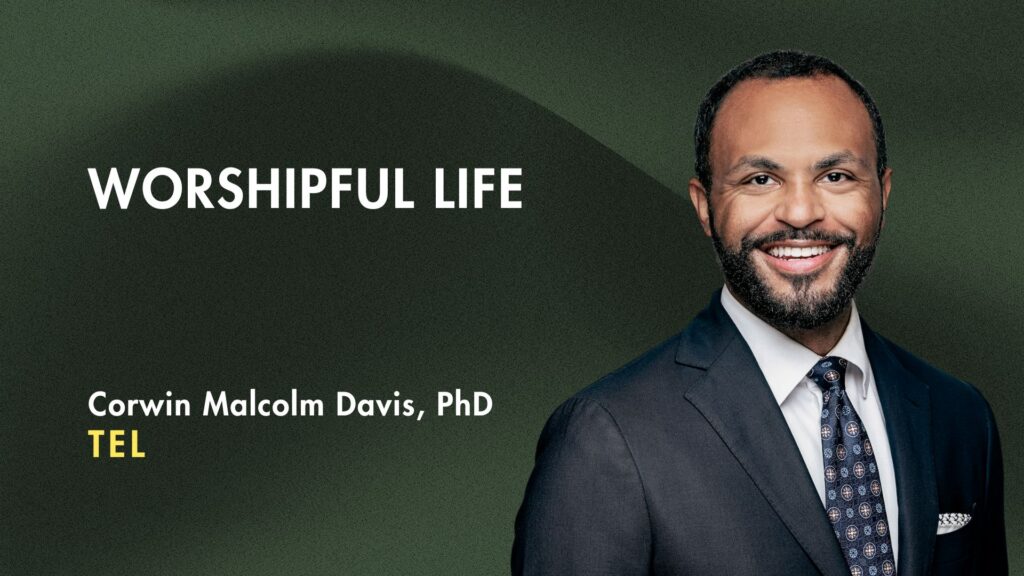
- Worshipful Life
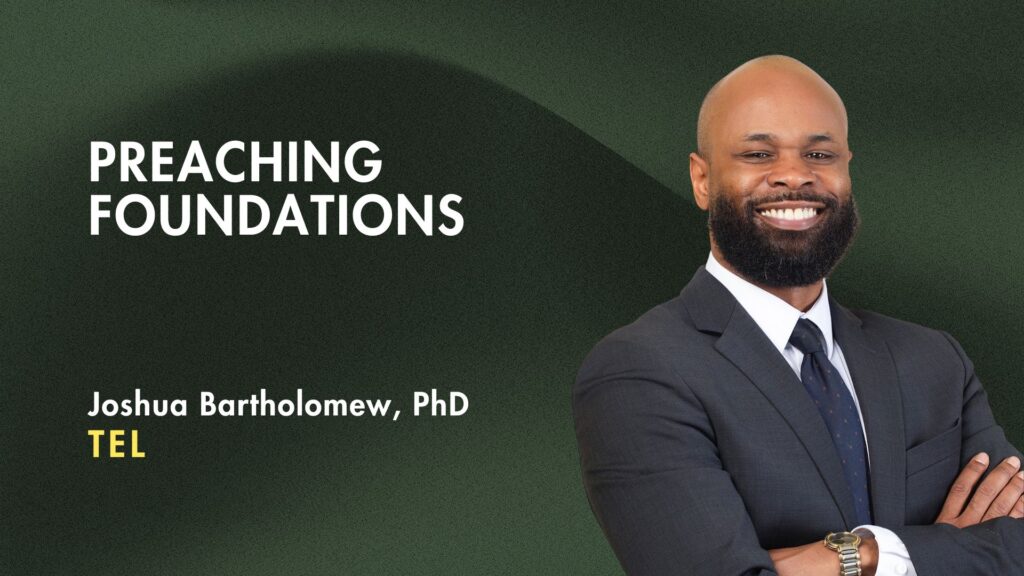
- Preaching Foundations
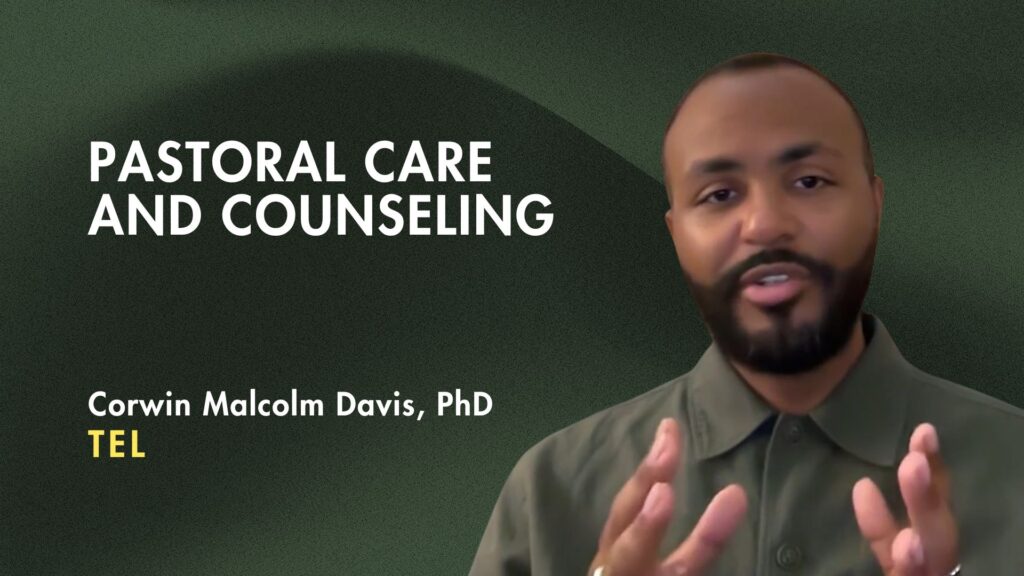
- Pastoral Care and Counseling
Course Schedule
| 2026-27 | Congregational Renewal | Ministry Leadership |
|---|---|---|
| September | Spiritual Formation | Spiritual Formation |
| October | Design Thinking for Social Change | Pastoral Care and Counseling |
| November | Theological Thinking | Theological Thinking |
| December | History of Christianity for Social Change | History of Christianity for Social Change |
| January | Introduction to Christian Ethics | Introduction to Christian Ethics |
| February | Rhetorical Use of Text | Rhetorical Use of Text |
| March | Contextual Thinking | Worshipful Life |
| Åpril | Transformative Leadership | Transformative Leadership |
| May | Igniting Vibrant Ventures | Preaching Foundations |
Spring CRC
| 2027 | CRC |
|---|---|
| January | Spiritual Formation |
| February | Design Thinking for Social Change |
| March | Contextual Thinking |
| Åpril | Transformative Leadership |
| May | Igniting Vibrant Ventures |
| September | Introduction to Chrisitan Ethics |
| October | Rhetorical Use of Text |
| November | Theological Thinking |
| December | History of Christianity for Social Change |
Rev. Heesung Hwang, PhD
(510) 849-8094
Rev. Tanisha Walton
Course Descriptions
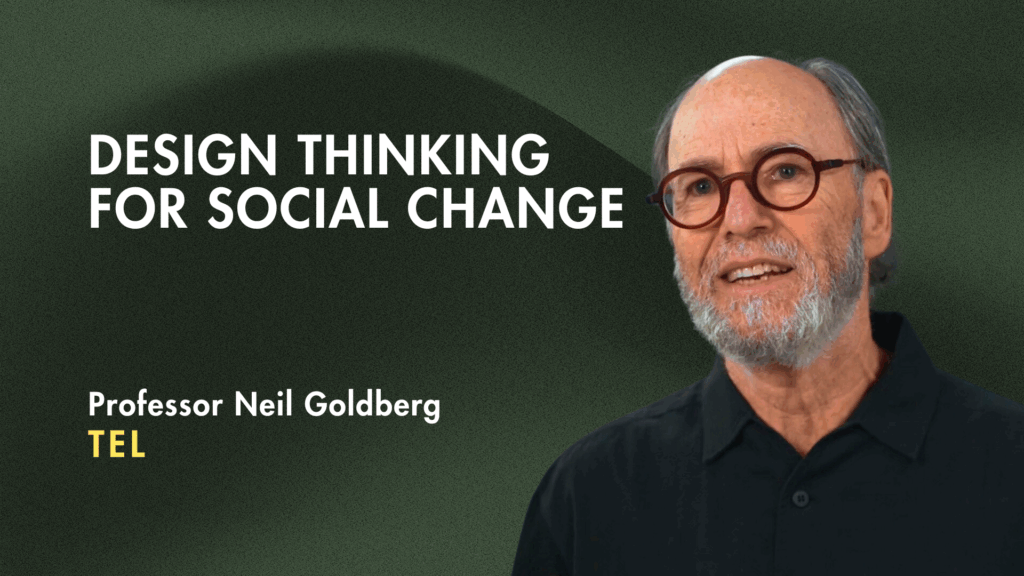
Design Thinking for Social Change
Explore how design thinking can drive positive social impact by creating intentional, just, and effective solutions. Through a hands-on project, learn to apply human-centered design to organizations, services, and ventures while integrating a theological understanding of creative praxis.
Theological Thinking
Examine theology as “faith seeking understanding” by engaging with historical and contemporary theological ideas. Through lectures, small groups, and writing assignments, explore theology’s role in social transformation and develop your own theological reflections.
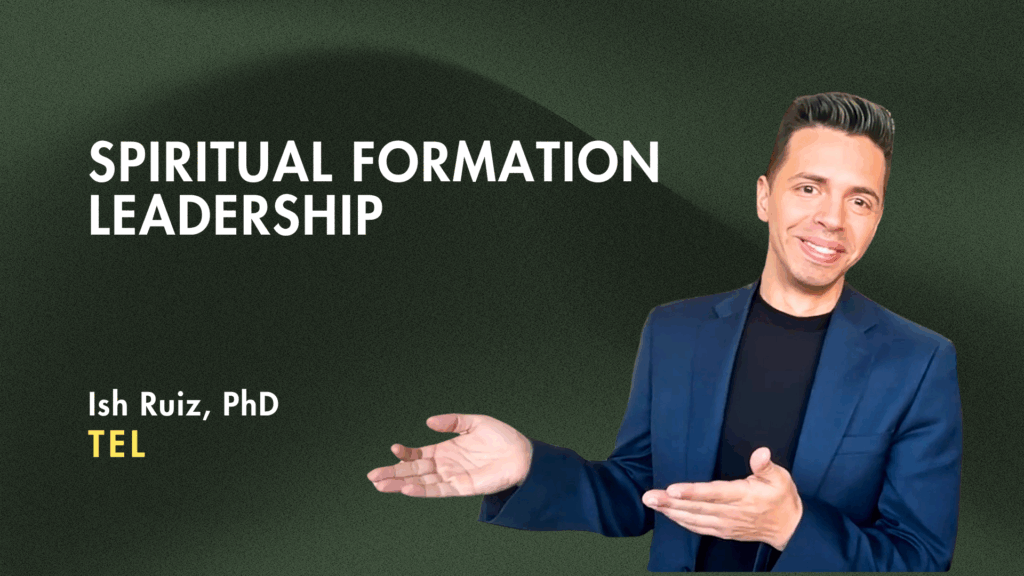
Spiritual Formation
Deepen your spiritual life through contemplative practices, mystic teachings, and inter-spiritual traditions. Learn to cultivate vitality and creativity in faith, leadership, and social justice work while discerning sustainable spiritual practices.
Contextual Thinking
Understand how knowledge and ministry are shaped by social contexts, with a focus on race and intersectionality. Engage historical, theoretical, and theological perspectives to develop cultural humility and cross-cultural competency through self-exploration and dialogue.
Rhetorical Use of Text
Develop skills in close reading, historical analysis, and critical interpretation of sacred and secular texts. Apply rhetorical strategies to create inclusive and socially conscious interpretations that address contemporary issues.
Introduction to Christian Ethics
Explore ethical theories in Christian traditions with a focus on ecological well-being. Engage case studies on human and non-human relationships to practice ethical discernment and Christian moral responsibility.
Transformative Leadership
Examine transformational leadership as a force for justice and social change. Explore prophetic imagination, social entrepreneurship, and strategies for inspiring communities to pursue shared goals and vision.
History of Christianity and Social Change
Survey Christian history through the lens of social change, examining how Christians have shaped society across different eras. Engage with primary and secondary sources through lectures, discussions, and group activities.
Igniting Vibrant Ventures
Apply social entrepreneurship principles to congregational ministry and nonprofit leadership. Gain hands-on experience in adaptive strategic planning, resource development, and venture creation to support mission-driven initiatives.
Pastoral Care and Counseling
Develop practical skills for pastoral care as relational and contextual ministry. Through case studies, role-play, and theological reflection, learn empathetic listening, spiritual assessment, and ethical boundaries. Engage real-life challenges—grief, trauma, conflict, and mental health—with tools that support both congregational vitality and sustainable leadership.
Worshipful Life: Worship Leading and Liturgy
Design and lead worship that forms faithful and responsive communities. Explore liturgical theology, collaborative planning, and contextual adaptation while practicing worship leadership skills. Through hands-on projects, craft services that are inclusive, mission-centered, and rooted in the lived realities of your community.
Preaching Foundations
Build foundational skills for preaching that connects text, context, and community. Through sermon workshops, peer feedback, and embodied practice, develop clarity, theological depth, and authentic voice. Learn to proclaim with pastoral sensitivity and prophetic imagination in ways that inspire faithful action.
FAQ
Who should apply?
TEL is designed for clergy, lay leaders, ministry professionals, congregational teams, and spiritual seekers who want accessible theological education connected to real-world leadership and ministry. Participants do not need a prior theology degree or graduate-level academic experience. The Congregational Renewal Cohorts (CRC) are especially suited for teams of 2–5 people from the same congregation, while the Ministry Leadership Track (MLT) is designed for individuals seeking theological and practical preparation for ministry leadership.
What is the time commitment?
Participants should plan for approximately 12–15 hours per month. Each course runs for four weeks and includes asynchronous learning activities as well as three live Saturday Zoom sessions, typically two hours each. The program is designed to be manageable alongside work, ministry, family, and other responsibilities.
How academically rigorous is the program?
TEL courses are taught by experienced theological educators and ministry leaders and engage substantive theological, biblical, historical, and practical questions. At the same time, the program is intentionally designed to be accessible to learners who are not enrolled in graduate theological education. Assignments emphasize reflection, dialogue, contextual application, and practical ministry rather than graduate-level academic research.
What is the Certificate in Theological Education for Leadership?
Participants who complete the full nine-course pathway receive a Certificate in Theological Education for Leadership from Pacific School of Religion. Those who later apply to and enroll in an eligible PSR master’s degree program may apply their TEL learning toward three PSR academic credits. Courses may be completed through either the Congregational Renewal Cohorts (CRC) or the Ministry Leadership Track (MLT), and participants may also take individual courses and stack them toward the certificate within a three-year period.
Are scholarships available?
Yes. Scholarships are available for participants in both TEL pathways based on demonstrated need and available funding. We encourage interested participants and congregations to inquire about scholarship support when applying. Scholarship availability and award amounts may vary by cohort and program year.